
15 Gaming Tips for Beginners to Level Up Fast
Starting a new game should feel exciting, not intimidating — yet almost every beginner has felt lost, outgunned or simply confused in their first few hours. Here is the secret the pros know: levelling up fast is less about natural talent and more about smart habits. These 15 gaming tips for beginners will help you dodge the classic rookie mistakes, build real skill quickly and, most importantly, enjoy every single session from day one.
Why Beginners Struggle (and Why It Is Completely Normal)
Today’s games are deeper than ever — sprawling maps, dozens of mechanics and online opponents with thousands of hours of practice. Feeling overwhelmed is not a sign you are bad at games; it is a sign the game has not taught you well yet. A few deliberate habits close that gap surprisingly fast.
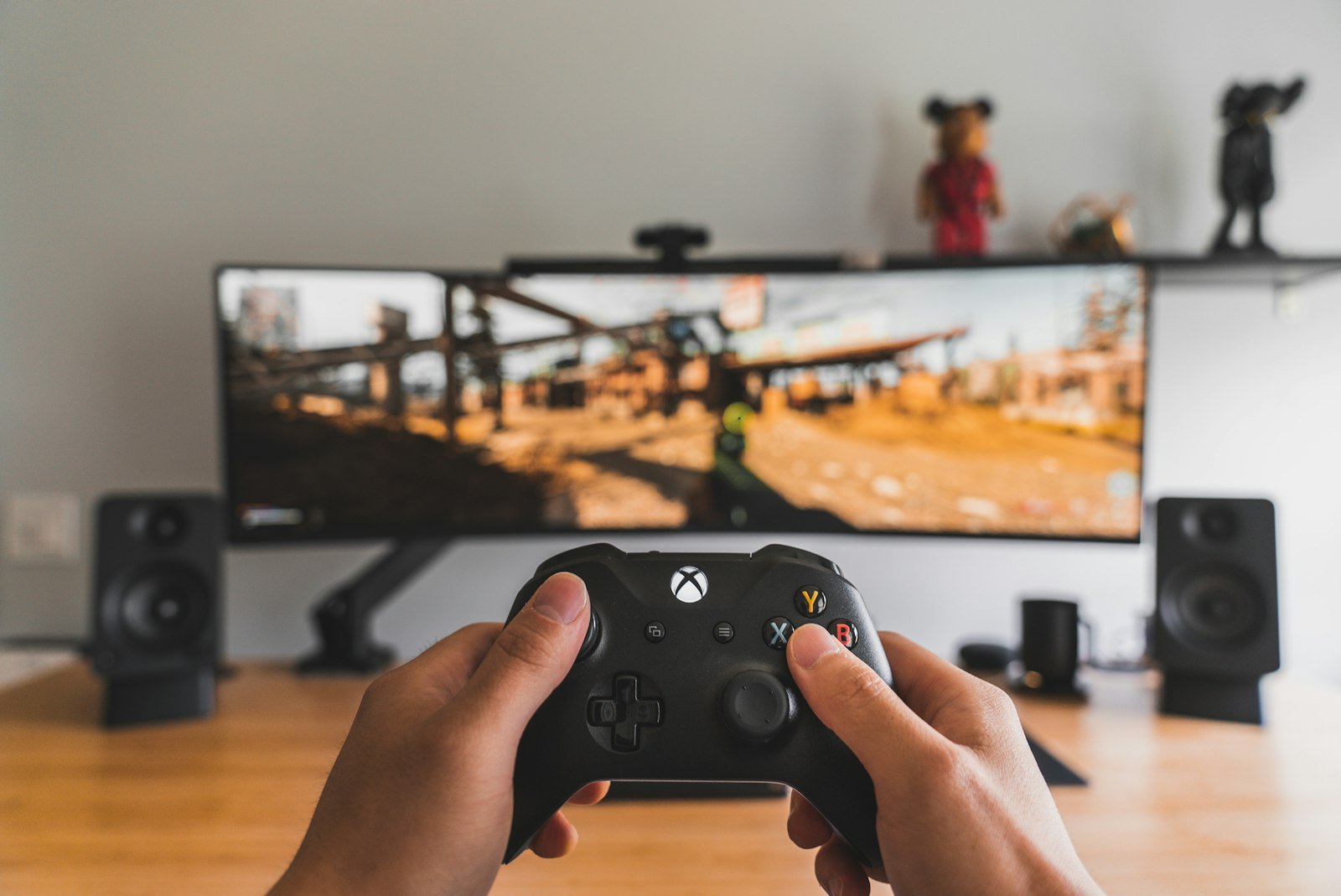
15 Gaming Tips for Beginners to Level Up Fast
Work through these in order, and you will feel the difference within a week:
- Start on an easier difficulty – there is no shame in it; easy mode teaches you the systems so normal mode feels natural later.
- Never skip the tutorial – even if you have played similar games, each title hides its own quirks in the opening missions.
- Master one character or class first – depth beats breadth; learn one playstyle properly before experimenting.
- Adjust your controls and sensitivity – spend ten minutes in the settings menu; comfortable controls are the cheapest skill boost available.
- Turn on subtitles and tweak the HUD – extra information on screen means fewer nasty surprises.
- Play the campaign before jumping online – story mode is a safe training ground where mistakes cost nothing.
- Watch one good beginner guide – a ten-minute video can teach you what would take ten hours to discover alone.
- Focus on positioning, not just aiming – standing in the right place wins more fights than perfect aim ever will.
- Wear headphones – footsteps, reloads and distant action give you information your eyes cannot.
- Take regular breaks – tired brains learn slowly; a five-minute pause every hour keeps you sharp.
- Save often, in multiple slots – rotating saves protect you from soft-locks, bad decisions and corrupted files.
- Experiment freely – try odd weapons, strange builds and silly strategies; discovery is how playstyles are born.
- Learn the map – knowing routes, hiding spots and objectives turns chaos into control.
- Play with friendly people – a patient squad teaches faster than any guide, and losing together still beats winning alone.
- Remember it is supposed to be fun – the moment a game feels like a chore, switch games or take a break; burnout kills progress.

Common Beginner Mistakes to Avoid
Even keen learners trip over these — steer clear:
- Copying pro settings blindly – a streamer’s sensitivity was tuned for their hands, not yours.
- Blaming teammates for every loss – focus on the one variable you control: your own play.
- Buying expensive gear before the basics – a costly mouse will not fix bad positioning.
- Playing while tilted – frustration snowballs; log off, reset, and come back fresh.
The Takeaway
Getting good at games is a skill like any other: built from small, consistent habits rather than marathon sessions or natural genius. Pick three tips from this list, apply them in your next session, and notice how quickly the game starts to make sense. Before long, you will be the one sharing gaming tips for beginners with the next new player.

FAQs
How long does it take to get good at gaming?
Most players notice real improvement within two to three weeks of regular play. Consistency matters far more than marathon sessions — an hour a day beats seven hours on Sunday.
Should beginners play on easy mode?
Absolutely. Easy mode exists to teach you the game’s systems without punishment. Move up when victories start feeling routine rather than rewarding.
What are the easiest types of games for beginners?
Cosy adventure games, turn-based strategy and story-driven campaigns tend to be the most welcoming. They teach at your pace and rarely punish experimentation.
Do I need an expensive setup to enjoy gaming?
Not at all. Skill comes from practice, not hardware. Start with what you have, and upgrade only when you know exactly what is holding you back.
Hungry for more inspiration between sessions? Catch up on 10 Exciting Video Game News Stories Every Gamer Should Know — the perfect reading for your next coffee break.
